


The Real Cost of RGB and Aesthetics in Gaming PCs
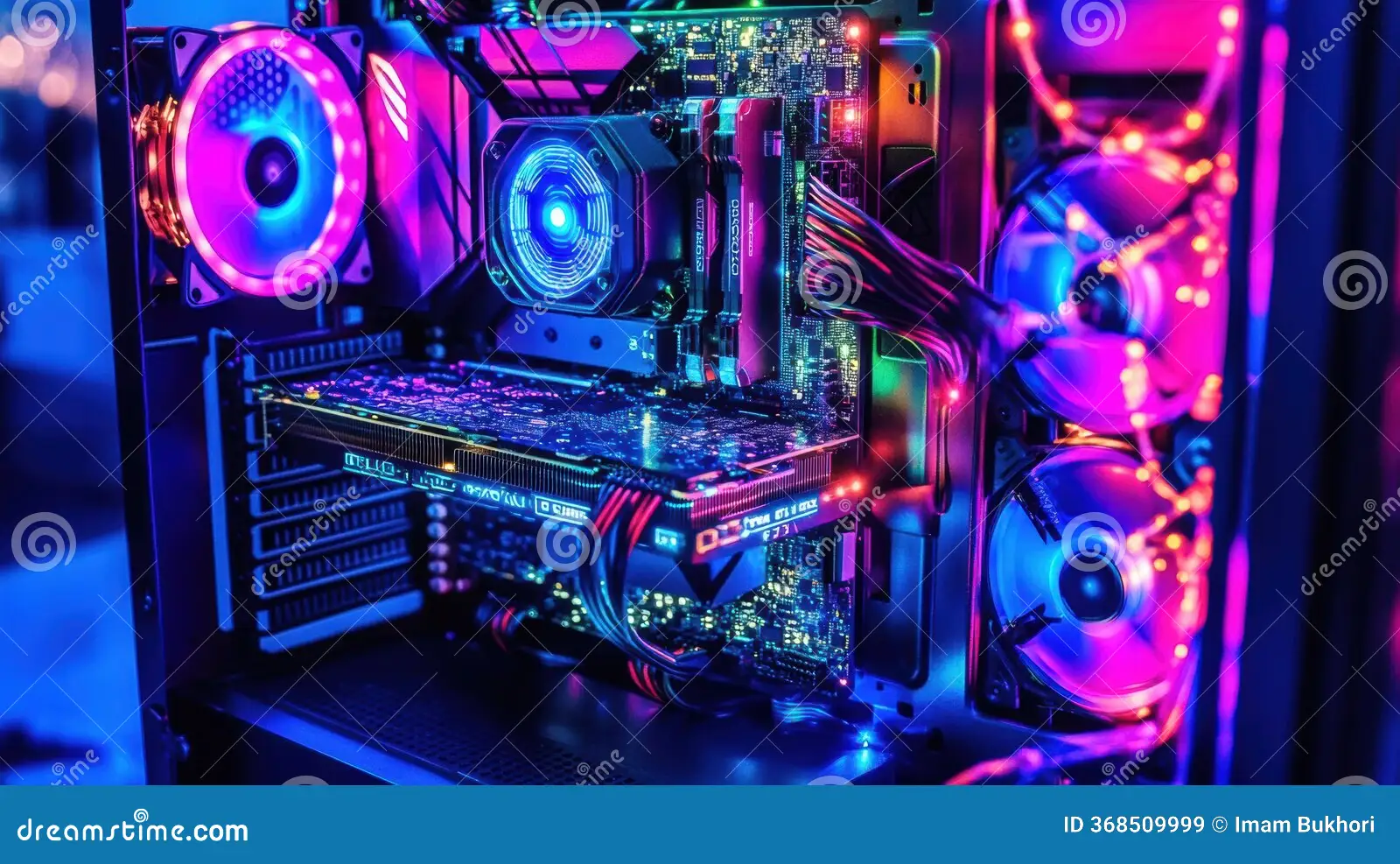
RGB lighting and flashy case designs have become a defining part of modern gaming PCs. Tempered glass panels, glowing fans, illuminated cables, and synchronised lighting effects now dominate marketing images and social media. For many buyers, a gaming PC is as much about how it looks on the desk as how it performs on screen.
But aesthetics are not free. In 2025 and 2026 especially, when component prices are volatile and performance margins matter more than ever, prioritising looks can quietly affect cooling, noise levels, upgrade paths, and even long term reliability.
This article breaks down the real cost of RGB and visual design choices, where they genuinely add value, and where they actively work against performance.
Why RGB Became the Default
RGB started as a niche enthusiast feature. Early implementations were simple LED strips or single colour fans. Over time, motherboard vendors, case manufacturers, and component brands realised that lighting sold systems faster than raw specs.
Today, RGB is baked into almost everything:
- Fans and AIO coolers
- RAM modules
- Motherboards and GPUs
- Power supply cables and accessories
For system builders, RGB offers an easy way to visually differentiate similar builds. For buyers, it creates the impression of a more powerful or premium PC, even when internal components are identical to a non RGB system.
The Hidden Thermal Cost of Aesthetics
One of the biggest trade offs with aesthetic focused cases is airflow.
Many modern cases prioritise clean glass fronts, solid panels, or complex shapes. While they look great, they often restrict the amount of cool air reaching internal components.
Common airflow issues include:
- Solid glass or plastic front panels with minimal side vents
- Reduced fan mounting options to preserve symmetry
- Decorative shrouds that trap heat around GPUs or VRMs
Poor airflow does not usually cause instant overheating. Instead, it leads to higher sustained temperatures. That means CPUs and GPUs boost less aggressively, fans spin faster, and noise levels increase during long gaming sessions.
In extreme cases, especially with high end GPUs, poor airflow can lead to thermal throttling that reduces performance below what the hardware is capable of delivering.
RGB and Noise Levels
RGB systems often use more fans than necessary to compensate for restricted airflow. More fans does not always mean better cooling, especially if they are spinning faster to push air through tight spaces.
This leads to:
- Higher overall system noise
- Inconsistent fan ramping
- More vibration from cheaper RGB fan bearings
Non RGB airflow focused cases often achieve better cooling with fewer fans running at lower speeds. The result is a quieter system that maintains boost clocks more reliably.
Power and Software Overhead
RGB itself does not use a huge amount of power, but the ecosystem around it adds complexity.
RGB systems rely on background software to control lighting effects. These programs:
- Run constantly in the background
- Use CPU cycles and system memory
- Occasionally conflict with other hardware control tools
While the performance impact is small, it contributes to system overhead that adds up, especially on mid range CPUs or systems already running game launchers, overlays, and capture software.
There is also the issue of long term support. RGB control software is often updated inconsistently, and older hardware can lose compatibility over time.
Cost Allocation and Component Trade Offs
One of the biggest downsides of aesthetic heavy builds is budget allocation.
Money spent on:
- Premium RGB fans
- Designer cases
- Custom lighting accessories
Is money not spent on:
- Better cooling hardware
- Higher quality power supplies
- Faster storage
- More capable CPUs or GPUs
In pre built systems especially, it is common to see visually impressive PCs paired with entry level motherboards, basic SSDs, or limited power delivery. On paper the system looks premium. In practice, it may struggle with sustained loads or future upgrades.
Upgrade Limitations
Some aesthetic focused cases make upgrades harder over time.
Issues include:
- Limited GPU clearance due to design elements
- Restricted radiator support
- Tight cable routing that complicates component swaps
As GPUs continue to grow larger and cooling requirements increase, airflow and internal space matter more than ever. A case chosen mainly for looks may limit future upgrade options.
When RGB Does Make Sense
RGB is not inherently bad. It makes sense when:
- Airflow is not compromised
- Lighting is integrated into functional components
- Cooling performance is prioritised first
High quality RGB fans with good static pressure can work well in airflow focused cases. Subtle lighting can improve the overall look without sacrificing thermals or noise.
The key is balance. A system should be designed around cooling and performance first, with aesthetics layered on top rather than driving every decision.
What to Prioritise Instead
If performance and longevity matter, focus on:
- Mesh front or high airflow case designs
- Quality fans with proven acoustic performance
- Strong VRM cooling on the motherboard
- Adequate space for future GPU upgrades
A well cooled, quiet PC will feel faster and more premium in daily use than a visually striking system that runs hot and loud.
Final Thoughts
RGB and aesthetics are not free upgrades. They come with real costs in airflow, noise, complexity, and sometimes performance. In a time when hardware prices are unpredictable and games demand more consistent performance, prioritising substance over style matters more than ever.
A great gaming PC should still look good, but it should earn that look through smart design choices, not at the expense of the hardware doing the work.
For most gamers, the best systems are the ones that disappear into the background and simply perform, session after session, year after year.
Tarl @ Gamertech